- Raynham Park closed temporarily to build a large sportsbook, but regulatory issues caused major partners to withdraw.
- The facility’s future is uncertain as online betting dominates and reopening depends on finding new partners and gaining state approval.
RAYNHAM, Mass. – Raynham Park has closed temporarily, though the owners haven’t said when it will reopen. Before Massachusetts outlawed greyhound racing in 2010, the location used to attract large audiences. Since then, consumers have been able to wager on races taking place at other tracks using the facility as a simulcast betting center.
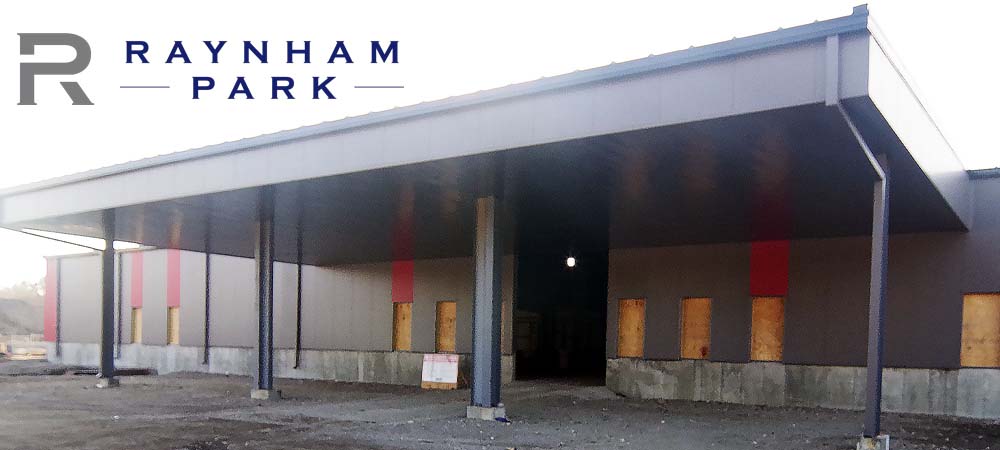
The Carney family, who own the property, are planning something bigger. They’re building a 60,000-square-foot entertainment complex on the adjacent land, with half devoted to what they hope becomes the country’s largest physical sportsbook. The rest would feature restaurants, bars and event spaces aimed at drawing younger crowds.
Partnership Problems Derail Plans
It hasn’t been simple to get there. During the permitting process, the Massachusetts Gaming Commission had concerns regarding the Carneys’ recycling business. Caesars Sportsbook and bet365 withdrew from their partnerships as a result of those regulatory concerns, leaving the owners frantically searching for new partners.
Legal sports betting was meant to be the recovery story after years of losing greyhound racing and losing out on a casino license. While development is ongoing next door, the property has been vacant since late December.
Prior to the closure, simulcast operations and horse betting sites had kept things going. According to the Carneys, they are optimistic about finally gaining approval and launching their idea of a top-notch location featuring walls of screens and delicious food.
However, there are already Massachusetts sportsbooks operating elsewhere, and many individuals still choose to wager online from home. The owners may not want to acknowledge it, but the window for Raynham Park’s revitalization may be closing. Finding a willing partner and resolving previously difficult regulatory obstacles will determine if this temporary shutdown becomes permanent.
