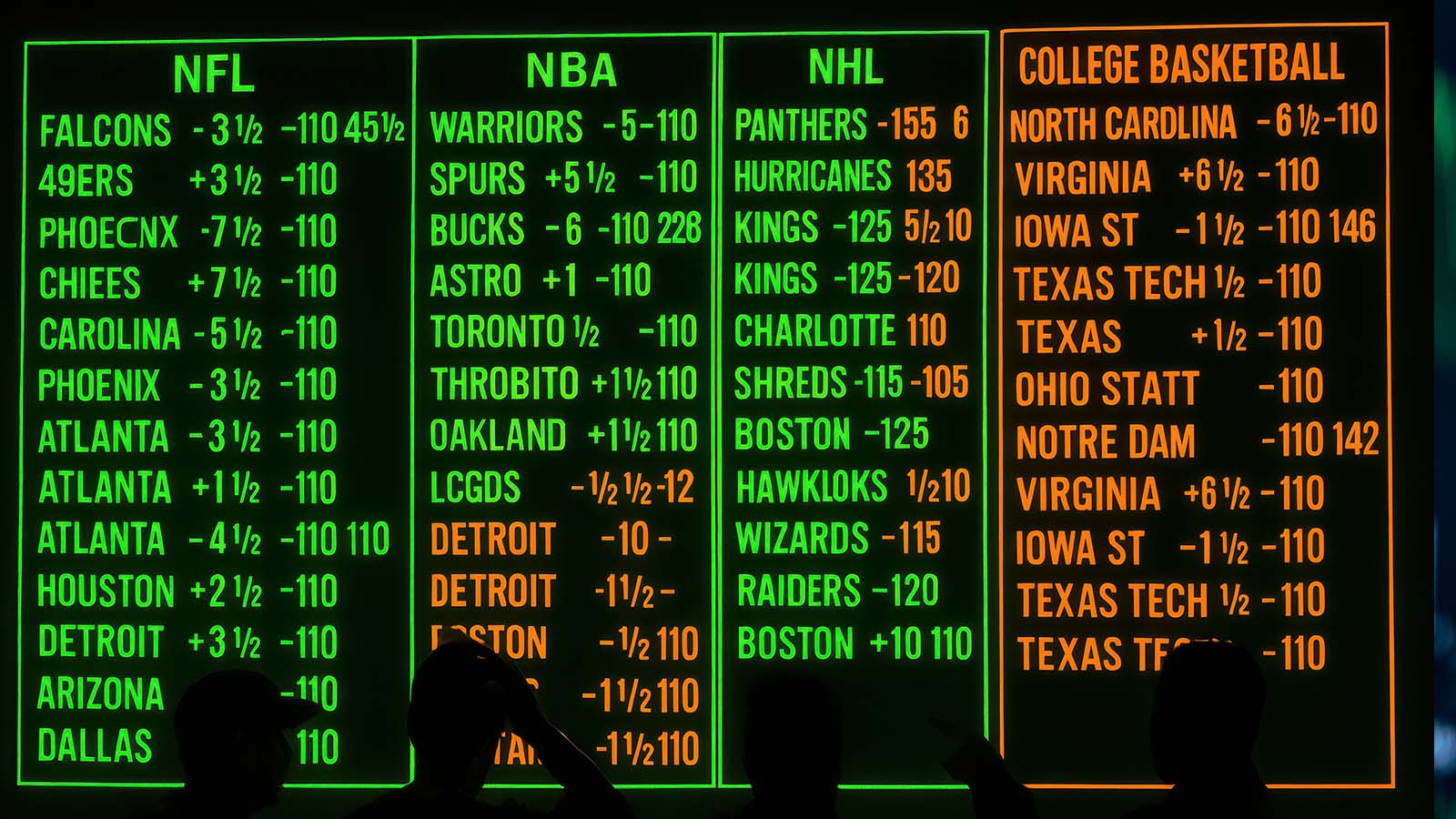
- SEC Student athletes are required to watch a gambling education video, but is the concept of sports betting eerily similar to the NIL issue from years past?
BIRMINGHAM, Ala. – On Wednesday, the SEC announced a gambling educational video will be shown to all student-athletes. While this is designed to implement safeguards for athletes, it draws an interesting connection to the hypocrisy of the NCAA.
Before NIL, schools were able to monetize athletes without paying them. This left students without the ability to make money from their jersey sales, video game appearances, or increased TV ratings.
Now, athletes are able to cash in on their NIL, but legal sports betting restricts athletes from profiting off another system that benefits the NCAA.
While there is no recommendation for athletes to bet on their own games (or any connected sport for that matter), there must be some pushback from a league that is building a billion-dollar ecosystem while relying on athletes to preserve integrity.
College sports betting is driving engagement for conferences and leagues. While the NCAA publicly opposed gambling in the past, they have moved away from this belief, receiving the benefit of increased watch time, official data licensing agreements, and increased costs of gambling advertisements.
That mirrors the old amateurism structure almost perfectly.
Controlling The Exposure
The SEC training video is really about controlling the exposure. The SEC says the video exists because of the “growing prevalence” of sports gambling, prediction markets, and integrity risks.
But where did that prevalence come from?
Fans can turn on College GameDay and hear hours of picks and analysis before watching the game and hearing references to the point spread or player prop bets. Of course, this is only during the live feed until sportsbook commercials appear on the screen repeatedly.
In fact, a recent Washington Post analysis found that gambling references appeared roughly every four minutes during sports broadcasts.
So, athletes must be immersed in the culture of sports betting by the same league that is educating them about the dangers of it.
That contradiction is the story.
The NCAA solved NIL by paying athletes, but sports betting may have created a new version of the same problem:
College athletics embraces building its brand around athletic performance while placing all responsibility on said athletes without any of the benefits.
In a perfect world, the SEC’s education is positive. It deals less with stopping gambling and more with preparation to survive exposure. However, how much profit can be made by the NCAA before athletes feel the need to push back?