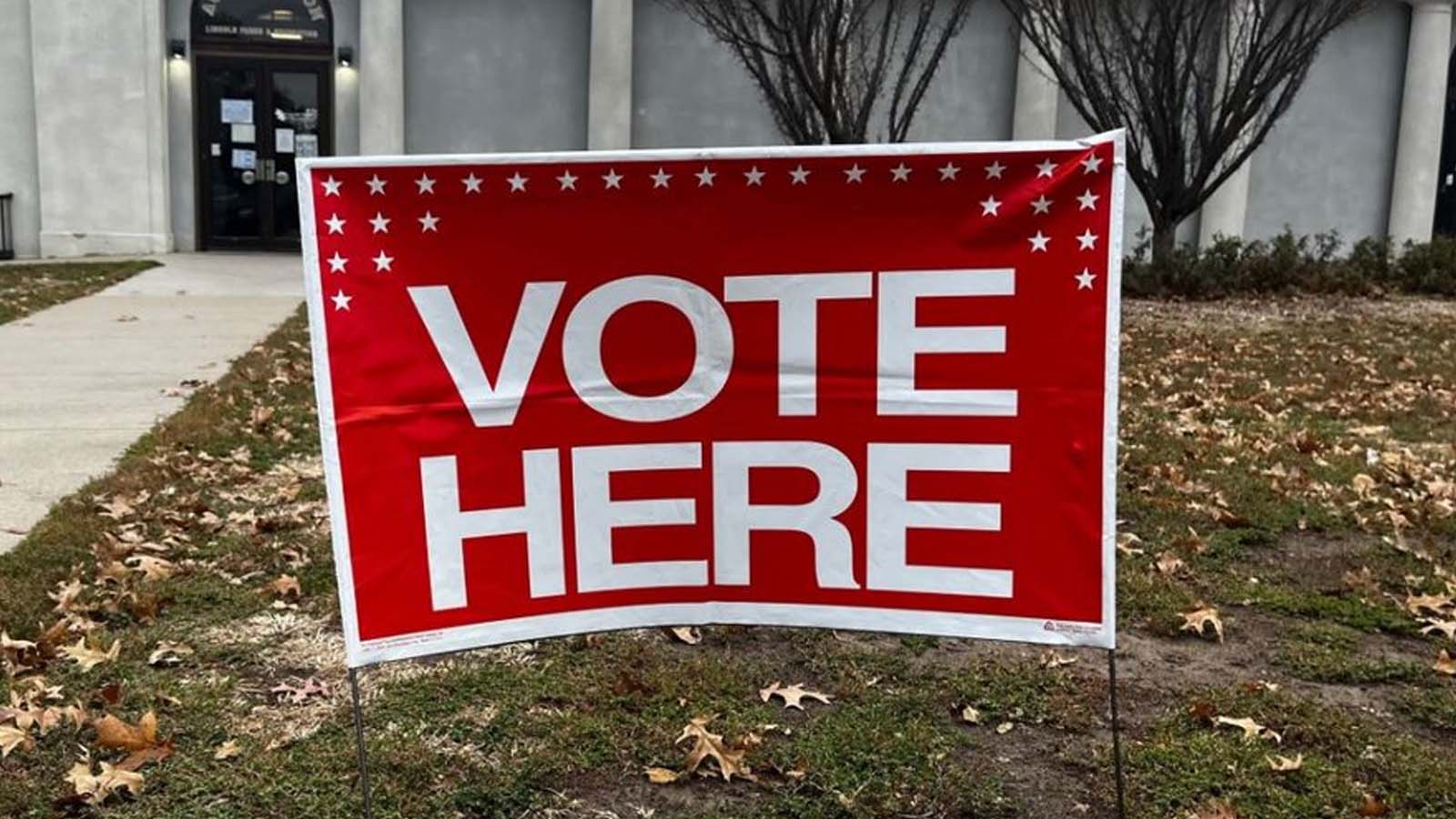
- Tuesday’s ballot carries Initiatives 440 and 441, and a yes on one without the other leaves online wagering illegal in Nebraska.
- The statute would take effect Jan. 1, 2027, with Nebraska Racing and Gaming Commission rules for online wagering due by June 1, 2027.
- Supporters project more than $166 million in property-tax relief over 10 years, while opponents say taxpayers would see no real relief.
- A racetrack casino could contract with no more than two platform providers, and any hosting server must sit inside Nebraska.
LINCOLN, Neb. – Two ballot questions before Nebraska voters Tuesday would open online sports betting to the casinos at the state’s licensed racetracks, and the campaign behind them projects property-tax relief topping $166 million across 10 years.
Initiative 440 changes the constitution; Initiative 441 writes the statute that regulates the wagering. Approval of one without the other authorizes nothing.
Legal Nebraska sports betting is limited to in-person wagers at licensed racetrack casinos. Five casino properties ran sportsbooks in 2025 and produced $9.28 million in gross gaming revenue, up 96.8% from 2024, according to the Nebraska Racing and Gaming Commission’s annual report.
Voters get both questions on the same Nov. 3 ballot. In the official ballot pamphlet from the Nebraska Secretary of State’s office, Initiative 440 adds a subsection to Article III, Section 24 of the state constitution, the provision that keeps the Legislature from authorizing most games of chance.
The new language exempts laws that license and regulate games of chance at licensed racetrack enclosures, internet sports wagering included, so long as the bettor is inside Nebraska when the wager is placed. It reaches laws enacted alongside the amendment and any passed later.
The companion statute, Initiative 441, rewrites three sections of the Nebraska Racetrack Gaming Act so that an authorized gaming operator, or a platform provider under contract to it, can take sports wagers over the internet. Two platforms per operator is the ceiling the text sets, and a hosting server has to sit inside the state. Existing carve-outs survive: no wagers on games involving in-state college teams, and none on events at the high school level or below.
State law sets a 20% tax on racetrack casinos’ gross gaming revenue. The commission’s annual report shows the Property Tax Credit Cash Fund takes 70% of that tax and received $36.7 million in 2025.
The supporters’ statement in the pamphlet projects more than $166 million in property-tax relief over the first 10 years of legal online wagering, an average of more than $16.6 million a year. Neither measure’s text sets a tax rate or a fund split. Online wagering revenue would follow the current 70% allocation unless lawmakers change it.
Across the 2024-25 football season, roughly 83,000 users inside Nebraska generated 3.9 million geolocation checks on regulated sportsbook apps, GeoComply figures cited by initiative sponsor Jordan McGrain show. The same figures recorded about 42,000 out-of-state trips linked to betting, and Iowa drew roughly nine of every 10.
Supporter Andrew Brock told a public hearing that neighboring states with legal sports betting “collect our tax revenue” on bets Nebraskans could place at home.
Opposition And Money
Mike Foley, the state auditor, and Joey Spellerberg, the state treasurer, are among the officials in Save Nebraska Sports, the opposition campaign. The opposing statement in the pamphlet says the measures are funded by out-of-state gambling corporations and that taxpayers would see no real property-tax relief, as casinos promised five years ago. Nate Grasz, executive director of the Nebraska Family Alliance, called the projected relief “less than half of 1%” of a yearly property-tax burden that “exceeds $5 billion,” according to KHGI.
A no-vote letter carrying 45 signatures from Husker athletes and coaches, past and present, went out under former football coach Tom Osborne’s name; it cites game manipulation, betting advertising and abuse of athletes by losing bettors, the Nebraska Examiner reported. The Nebraska Council on Problem Gambling stayed neutral on the two measures while cautioning that wider access tends to bring more gambling harm.
Tax Relief Nebraska, the supporters’ committee, had taken in $14.65 million through Sept. 29, the Nebraska Examiner reported, with more than $7 million apiece from FanDuel Inc. and from DK Crown Holdings Inc., the parent company of DraftKings. Operators funding the Nebraska initiative had contributed more than $2.6 million to Tax Relief Nebraska by April.
Launch Timeline
Should voters approve both, the statute takes effect Jan. 1, 2027. The commission then has until June 1, 2027, to adopt rules for online wagering. No section of the text names a date for betting apps to go live.
