- Oklahoma has a real chance to legalize sports betting in 2027, as six of the 27 senators who voted no in April won’t be back in January.
- Its last bill would have limited where a tribe’s mobile app works, a fight that split the tribes.
- Bettors already have prediction market apps on their phones, so a patchwork sportsbook app would start from behind.
OKLAHOMA CITY – Tuesday’s election has the betting world calling Oklahoma one of the next big dominoes, but Oklahoma sports betting wasn’t only stuck because of Gov. Kevin Stitt. His opposition mattered, though the last bill never reached his desk.
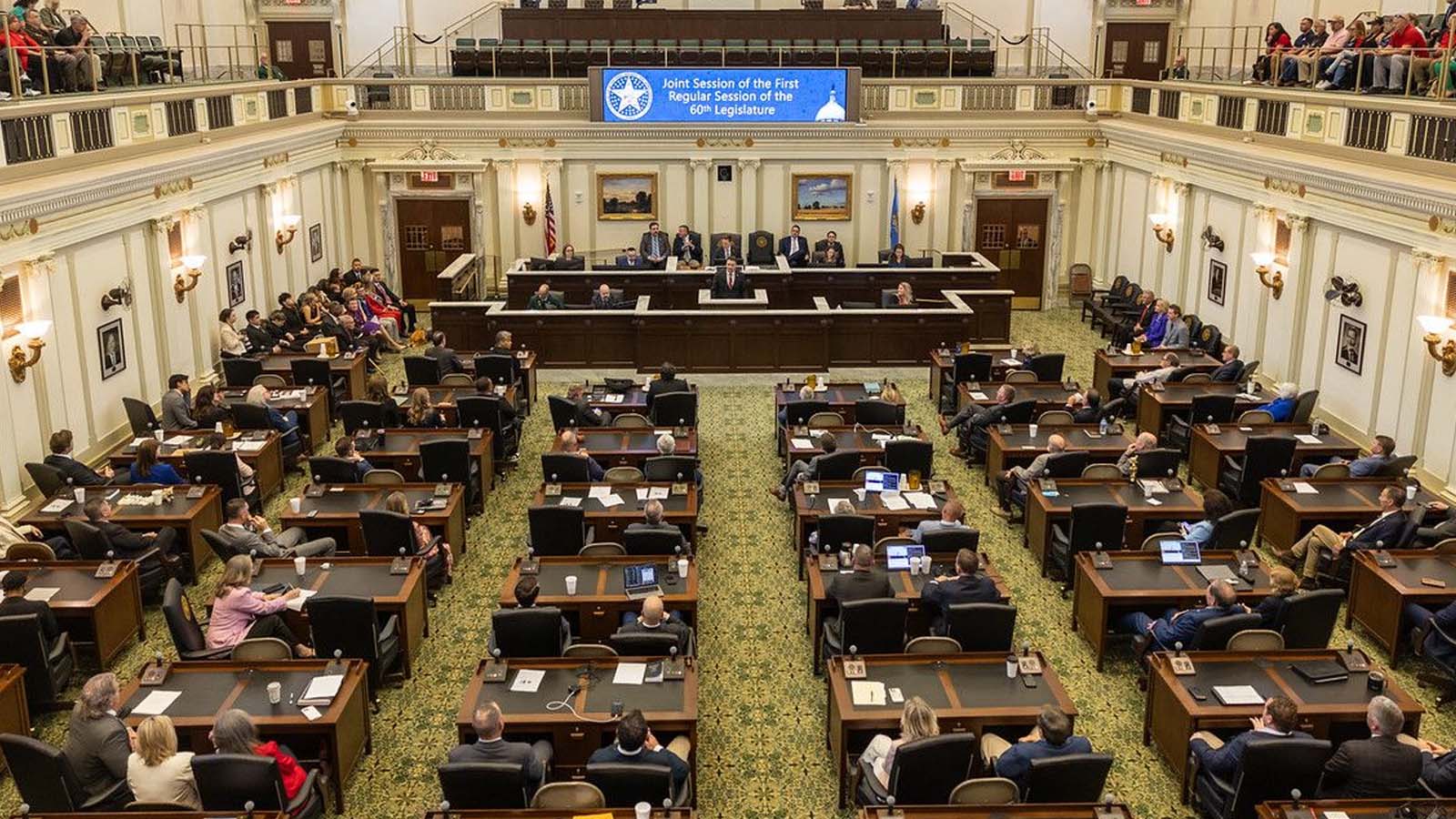
HB 1047 failed 21-27 in the Senate on April 22, four votes short of the 25 it needed.
Six “no” votes are leaving, including Sens. Darcy Jech and Dusty Deevers, who made the moral case against the bill on the floor, and only one “yes” vote is going with them. That leaves bill sponsor Sen. Bill Coleman with 20 returning “yes” votes, five short, and seven new senators to work on when session opens Feb. 1.
Governor-elect Mike Mazzei campaigned on repairing the state’s relationship with the tribes, though he hasn’t staked out a public position on sports betting.
The floor version of HB 1047 split betting into three products. A bettor who signed up with a Choctaw-partnered app in Durant could bet:
- At a Choctaw casino: “retail” betting opens once the Interior Department approves the tribe’s compact supplement.
- Elsewhere on Choctaw land: “remote” mobile betting waits until five tribes have that federal approval.
- Outside any tribe’s historic reservation: “competitive” mobile betting comes after that, once the Oklahoma Indian Gaming Association hires an administrator.
Drive about an hour west on US-70 to Ardmore, on Chickasaw land, and the bill’s definitions wouldn’t cover that app, so it would geolocate a bettor out.
The bill’s own author saw the problem. Rep. Ken Luttrell told NonDoc in April that he and Coleman wanted “border to border, open mobile.” Luttrell suggested the Chickasaw Nation might be the most resistant, and the Cherokee Nation opposed the limits while most other gaming tribes backed them.
But bettors won’t care whose map it is. They’ll just see a worse product.
Kalshi Doesn’t Check the Map
Legal sportsbooks in Kansas, Missouri, Colorado and Arkansas work statewide, and Oklahomans don’t have to leave home for an alternative. Coleman said so on the Senate floor:
“You can legally make a sports bet right now, and it’s unregulated and we get nothing,” he said, per KOSU.
Indian Gaming Association Chairman Matthew Morgan says these apps undermine the compacts. But Coleman also admitted they have “the competitive edge because they’re active and the tribes aren’t.”
A boundary-locked app won’t take that edge away from prediction markets.
Coleman estimated the state would see $15 million to $18 million a year from an 8% exclusivity fee, with up to $7 million of the non-NBA money going to a Thunder fund that skips competitive grant reviews and the rest to OU and OSU athletics, where it can cover “litigation settlement fees.”