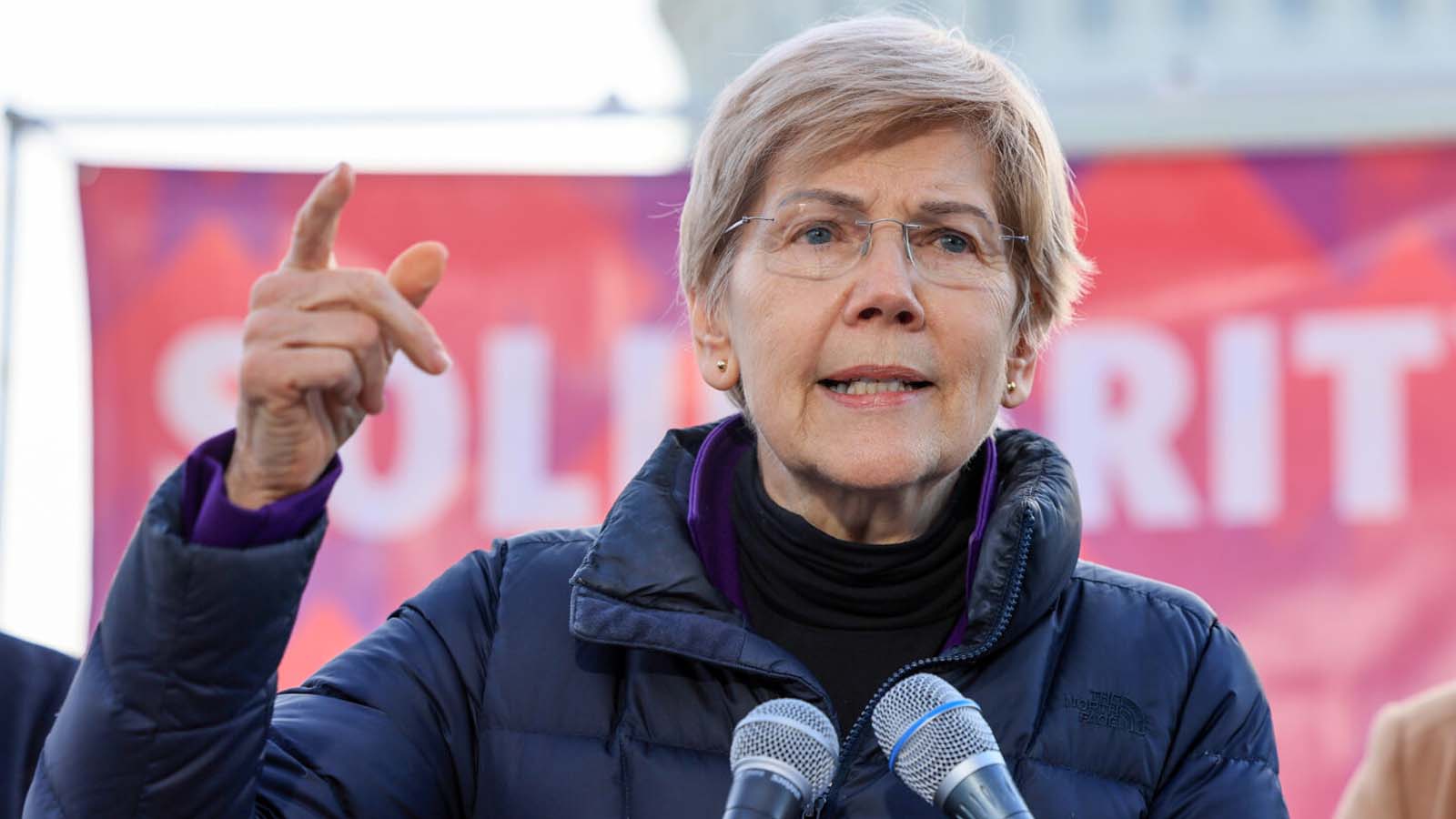
- Sen. Elizabeth Warren is expected to chair the Senate Banking Committee after Democrats won Senate control in the Nov. 3 midterms.
- Every Banking Committee Democrat signed a Sept. 23 letter seeking an open hearing on prediction markets, which Warren could call as chair.
- Kalshi told Warren and Sen. John Curtis in a Nov. 2 letter that it has run 60 election-trading investigations this year.
- Warren also co-sponsors Sen. Jeff Merkley’s STOP Corrupt Bets Act, which would bar most election and sports event contracts.
WASHINGTON – Sen. Elizabeth Warren, D-Mass., is expected to become Senate Banking chair when Democrats take control of the Senate in January, giving a co-author of the Kalshi and Polymarket election-trading letter control of the committee’s hearings and its path to subpoenas.
Democrats won control of the Senate and House in the Nov. 3 midterms. Warren is the Banking Committee’s ranking member. A chair sets the hearing calendar and, with majority votes behind her, can compel witnesses and records by subpoena. A ranking member can write letters but cannot compel answers.
Warren has already asked for the hearing. A Sept. 23 letter carrying the signatures of the committee’s full Democratic roster pressed Scott, R-S.C., to put prediction markets before the panel in open session. The Democrats argued that some event contracts could qualify as security-based swaps, which sit under the Securities and Exchange Commission and therefore within the committee’s oversight.
The letter landed the same day Republican members sat down privately with Kalshi CEO Tarek Mansour, a session Scott told The Block he convened to understand the opportunities and challenges around securities-linked products.
The October letter is a second, bipartisan track. On Oct. 28, Warren and Curtis, R-Utah, sent both exchanges a set of questions carrying a Nov. 3 deadline, according to the Banking Committee minority’s release on the letter. Three of the numbers sought were tallies of suspected insider trading or manipulation identified since Jan. 1, the share caught before a trade executed versus after, and referrals to the Commodity Futures Trading Commission or to police.
Kalshi’s Nov. 2 letter, which Bloomberg Law obtained, puts the company’s 2026 count at 60 election-trading investigations, with more than a dozen still open. That figure counts investigations rather than the blocked-versus-detected split the senators requested, a gap a hearing could put to executives directly.
crypto.news, citing the Journal, put suspected insider trading on prediction markets on the list of issues Warren may take up first. That would build on the election trading safeguards inquiry the two senators opened Oct. 28.
Disclosure Or Ban
Warren is also a co-sponsor of the STOP Corrupt Bets Act, S. 4226, which Merkley, D-Ore., introduced March 26. According to the bill text, it would bar event contracts on elections, sports, military action and government actions, with an exception only for government-action contracts used to hedge commercial risk. The sports provision would reach the contracts Kalshi and Polymarket list in states with legal sports betting.
The two tracks lead to different outcomes for people who trade prediction market apps. Disclosure demands leave the contracts listed, while S. 4226 would end most election and sports contracts. The bill amends the Commodity Exchange Act, which the CFTC administers and the Senate Agriculture Committee oversees, so a Banking chair’s hearings would not automatically reach it.
Committee chairs are not set until the new Congress organizes in January.
