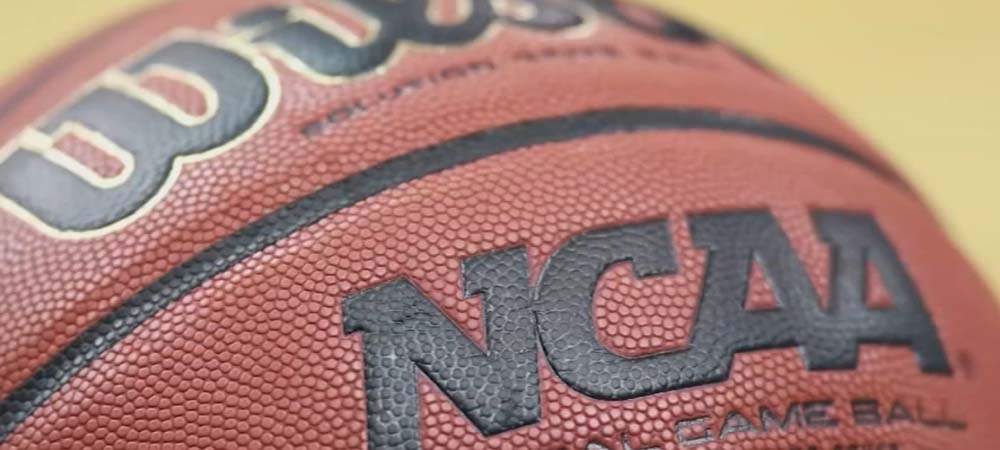
- Federal prosecutors charged 26 people in an alleged international point-shaving scheme tied to NCAA Division I and Chinese Basketball Association games.
- Court records state that bettors used payments to players to influence performances, allowing wagers to be placed on altered game results.
- Investigators say the operation ran across multiple seasons, moving from overseas leagues into U.S. college basketball betting markets.
PHILADELPHIA – Federal prosecutors announced Thursday that 26 people have been charged in connection with an alleged game-fixing scheme that targeted both NCAA Division I basketball games and Chinese Basketball Association contests. The indictment, unsealed in Philadelphia, details a point-shaving operation that prosecutors say corrupted more than 29 college basketball games across two seasons.
The case, according to U.S. Attorney David Metcalf, is a huge corruption of collegiate athletics involving a global conspiracy of professional bettors, NCAA players, and alumni. Defendants Marves Fairley and Shane Hennen reportedly started the plan in September 2022 by recruiting Chinese Basketball Association players to perform poorly in games while placing sizable bets through Chinese sportsbooks.
Recent Basketball Gambling Scandals Timeline
| Time | People Charged/Banned | Leagues/Programs Affected | Violation Type |
|---|---|---|---|
| October 2025 | 30+ arrested | NBA | Organized crime gambling |
| November 2025 | 6 banned | NCAA (Arizona State, New Orleans, Mississippi Valley State) | Game manipulation, insider information sharing |
| January 2026 | 26 charged | NCAA Division I, Chinese Basketball Association | International point-shaving conspiracy |
From China to College Courts
Antonio Blakeney, who previously played for LSU before becoming a high-scoring star for the Jiangsu Dragons in China, became the fixers’ key early recruit in the scheme. Prosecutors claim that Blakeney helped fixers win a $198,300 wager by scoring just 11 points in a March 2023 game despite averaging 32 points per game that season, as noted by legal sports betting sites. According to court records, Fairley later paid Blakeney by leaving around $200,000 in cash in his Florida storage facility.
The program was extended to U.S. college basketball following the conclusion of the CBA season. According to the prosecution, the fixers used bribe payments of between $10,000 and $30,000 each game to recruit NCAA players. They allegedly targeted athletes at smaller programs who weren’t receiving much from NIL compensation, according to the indictment.
More than 39 players from 17 Division I teams—including institutions from the Big East and Atlantic 10 conferences—were allegedly participating in the conspiracy. Based off the prosecution, fixers used college basketball betting sites to wager millions of dollars on games featuring teams including DePaul, Buffalo, Fordham, and Kennesaw State.
According to officials, the expansion of states with legal sports betting has opened up new channels for these kinds of businesses. When the allegations were publicized, four of the indicted players were still on Division I rosters, including Carlos Hart of Eastern Michigan and Simeon Cottle, the top scorer for Kennesaw State. Both have been suspended since then. Bribery convictions carry a maximum punishment of five years in jail, whereas wire fraud convictions bring a maximum sentence of twenty years.
