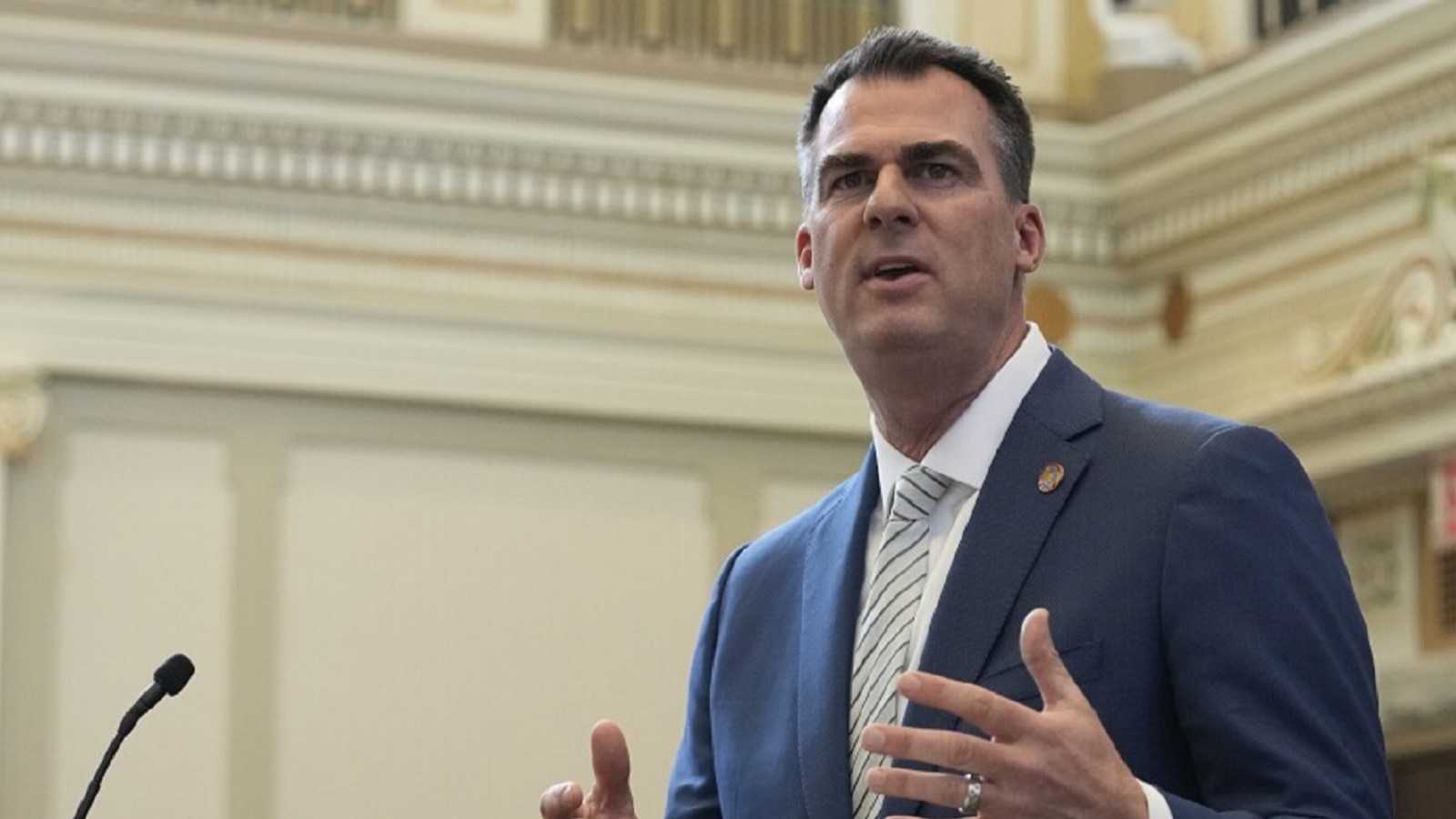
- A bill to prohibit sweepstakes casinos in Oklahoma passed through the Senate and House, but was struck down by Governor Kevin Stitt.
- Stitt has been vocal in his push against a tribal monopoly of gaming in the state.
- This comes shortly after a bill to legalize sports betting in the state did not make it past the Senate.
OKLAHOMA CITY – Oklahoma Governor Kevin Stitt vetoed a bill to ban sweepstakes casinos in the state after it unanimously passed through the Senate and by a majority in the House.
Sweepstakes casinos offer dual-currency options, meaning players can use forms of currency with no monetary value to make wagers. However, players may purchase currencies, both with and without monetary value, and earn real money, creating a loophole.
This comes with legal risks, as they do not follow the same laws as traditional legal sports betting sites, such as age restrictions and tax rules. If the bill had passed, those found guilty of running such sweepstakes casinos would have been hit with a Class C2 felony.
Though he has not yet issued an official statement about his decision, Stitt has been on record opposing the expansion of sports betting in Oklahoma through tribal compacts. It can be inferred that his decision to veto the bill against sweepstakes casinos is an attempt to keep tribes from gaining exclusive rights over gaming in the state.
The decision comes shortly after House Bill 1047, which would have legalized sports betting in Oklahoma, was struck down by the Senate despite being approved 62-31 by the House. This was the closest attempt lawmakers have made to bring legal sports betting to Oklahoma.
Even if the bill had passed, it likely would have also been struck down by Governor Stitt, as it would have resulted in tribes being able to offer sports betting wagers in person and online, keeping the majority of the revenue while just 8% was returned to the state.
The silver lining for locals who are hoping for sports betting to come to the state is that Stitt’s term ends in January, and he is not eligible for re-election, meaning whoever becomes the new governor may have a different opinion on the matter.