- Utah’s attorney general says prediction markets are illegal sports betting under the state’s gambling ban.
- Courts have cleared Utah to enforce its ban against Kalshi while the company’s appeal is pending.
- Kalshi, DraftKings and FanDuel still offer sports contracts in Utah, citing federal regulation.
PROVO, UTAH – More than two months after a federal judge cleared Utah to enforce its gambling ban against prediction market Kalshi, the state has taken no public action against the company or against DraftKings and FanDuel.
Utah is one of two states that ban all gambling, making it a test case in a national fight over who regulates prediction markets.
Derek Brown, Utah Attorney General, maintains the platforms are illegal. In a statement to The Salt Lake Tribune, Brown explains how sports betting in Utah that is marketed as commodity trading through prediction markets is still just sports betting and is considered illegal under state law.
Kalshi has offered sports contracts to Utah users since January 2025 and has been locked in a legal fight with the state for most of this year.
- Oct. 13, 2026: Kalshi’s appeal is pending, and the state has taken no public enforcement action.
- Sept. 8, 2026: The 10th Circuit refuses to pause the ruling against Kalshi, clearing Utah to enforce its law while the appeal continues.
- Aug. 4, 2026: A federal judge rules that federal law doesn’t stop Utah from enforcing its gambling ban against Kalshi.
- May 6, 2026: HB 243 takes effect, explicitly defining prop bets as illegal gambling.
- Feb. 23, 2026: Kalshi sues Gov. Spencer Cox, AG Brown and other officials to block Utah from enforcing its gambling ban.
- Jan. 24, 2025: Kalshi begins offering sports contracts nationwide, including in Utah.
So how are prediction markets still operating in Utah?
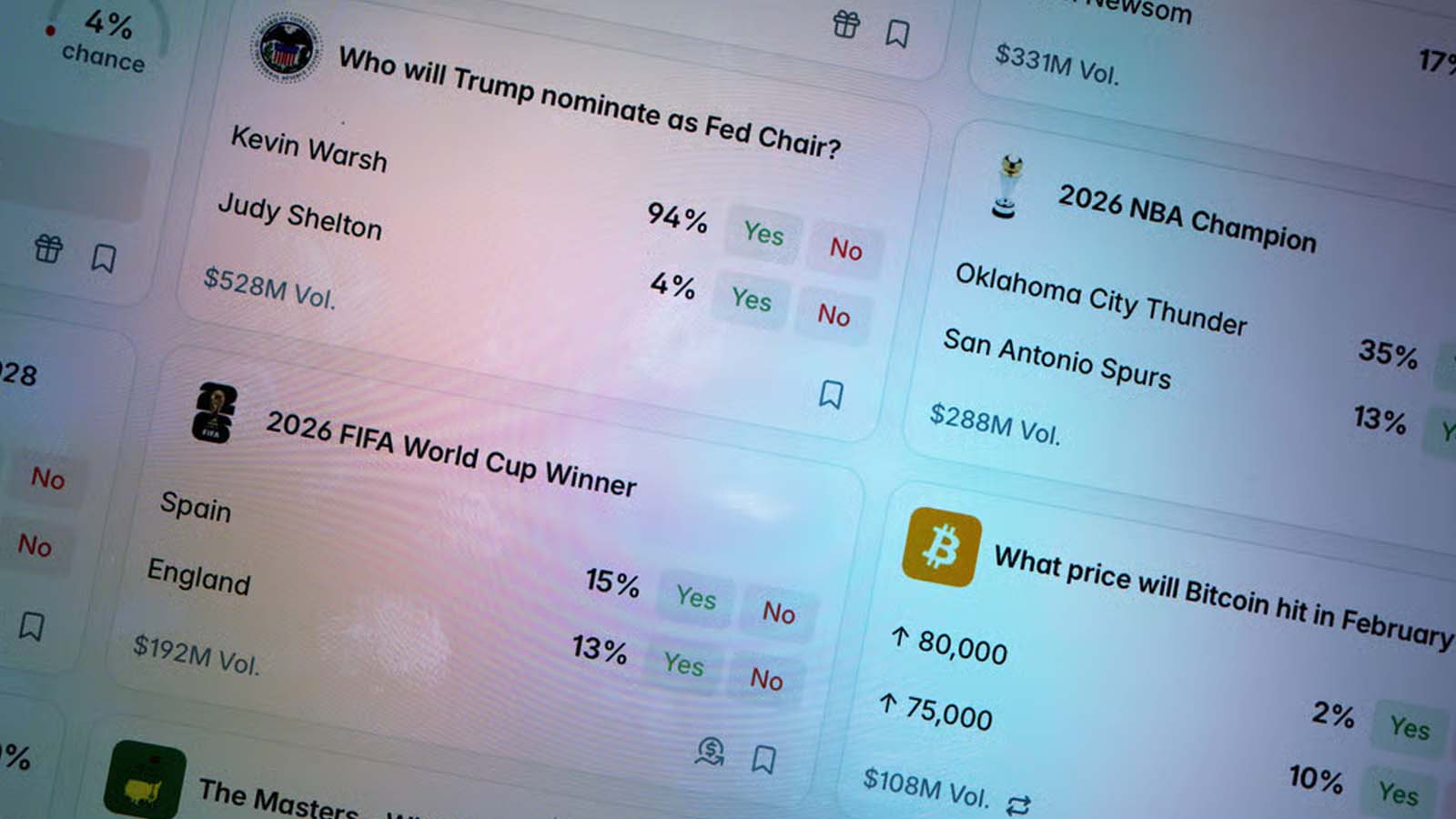
The companies argue they aren’t running legal sports betting operations at all. Kalshi and similar platforms say their products are financial contracts, akin to futures, regulated by the federal Commodity Futures Trading Commission, which they contend puts them beyond the reach of state gambling laws.
The CFTC has backed that position, defending prediction markets in court, and the Trump administration has also supported the platforms.
Utah’s court wins didn’t shut Kalshi down on their own. The state must now act, through a cease-and-desist letter, lawsuit or criminal charges, and it hasn’t publicly done so.
