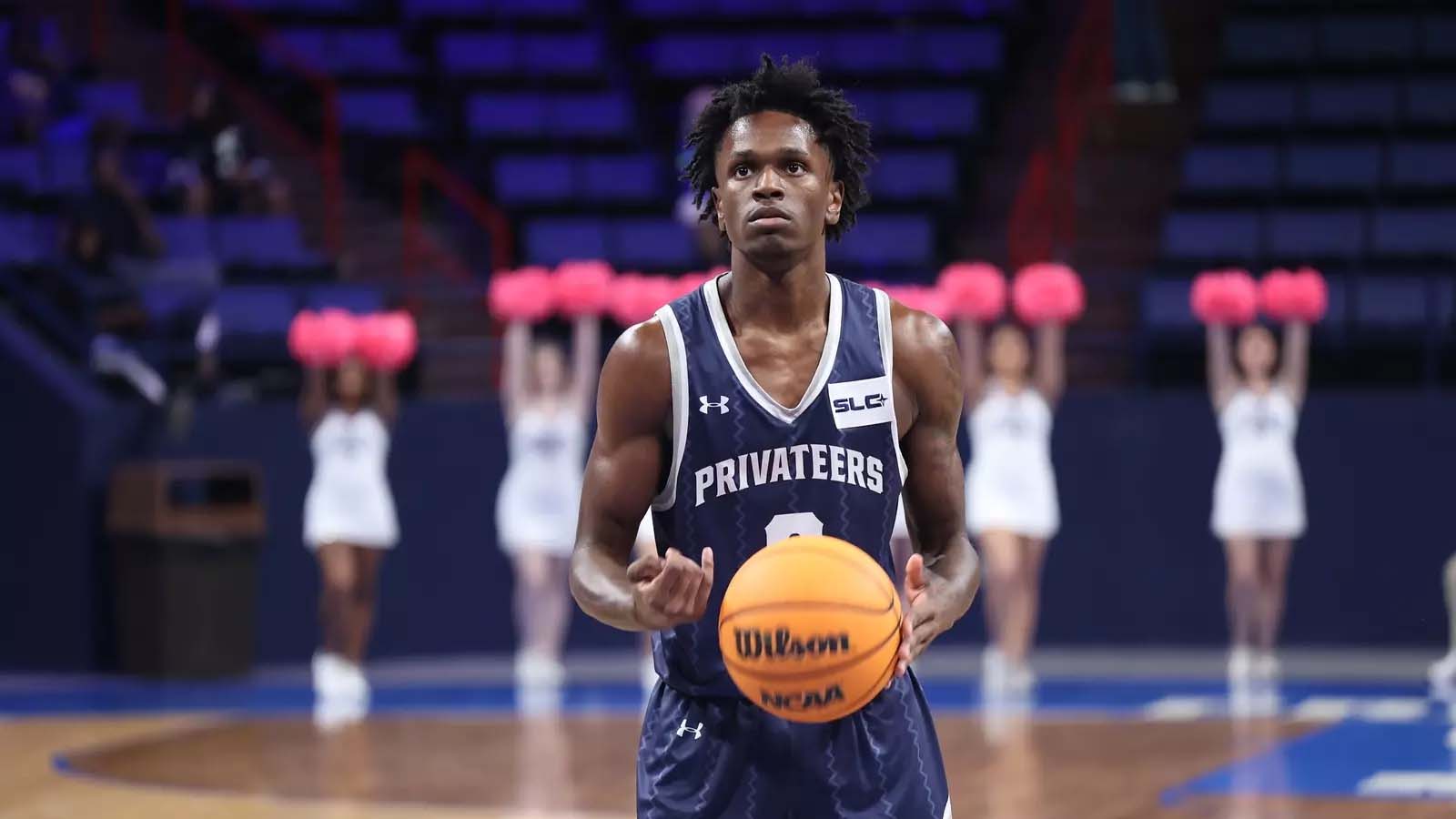
- Dyquavion Short’s term is a single day behind bars, then two years on supervised release with 100 community service hours.
- Isaiah Adams, once a Buffalo Bulls forward, faces an 18-month minimum ask from prosecutors because bettors won more on his games.
- Prosecutors tied about $33,741 in fixers’ winnings to at least three games in which Short held back.
- The NCAA’s January letter asked regulators to ban individual player props and some game props, noting four commissions had acted.
PHILADELPHIA – Former New Orleans Privateers guard Dyquavion Short got a one-day prison term Tuesday, the first of the charged players to learn his punishment in the NCAA basketball point-shaving case.
The term came from U.S. District Judge Nitza Quiñones Alejandro in the Eastern District of Pennsylvania, whose home state regulates legal Pennsylvania sports betting through its Gaming Control Board. Supervised release lasting two years and 100 community service hours follow the prison day, on top of a $15,000 payment Quiñones Alejandro set earlier. Short went into custody when the hearing ended, with his release expected about 5 p.m. the same day, ESPN reported.
His August guilty plea covered a single felony, aiding and abetting bribery in sporting contests, and the government let go of the other count, conspiracy to commit wire fraud. Short was 19 when, by his own account to the FBI, he held back on purpose in at least three Privateers games during the 2024-25 season. Prosecutors put the fixers’ take from those games at about $33,741, and Short said his kickback money arrived afterward by way of a man he could not identify.
Deputy U.S. Attorney Louis Lappen called Short one of the “least culpable defendants in this case” and said the term was the guideline figure the government had asked for. The statutory ceiling was five years. Neither the prosecution nor defense lawyer Leigh Skipper sought more than six months, and both pointed to a clean record, Short’s remorse and how quickly he admitted guilt.
Adams Sentencing Looms
Isaiah Adams, the former Buffalo Bulls forward due in court Wednesday, faces a government request for 18 months or more, a gap prosecutors tie to the bigger sums bettors collected on his games.
The federal sentencing guideline for sports bribery sets the offense level by the greater of the bribe or the benefit it was meant to confer, so the money bettors made on a player’s games moves the recommendation. For the players still waiting, the winnings tied to their own games are the figure most likely to separate a one-day term from one measured in months.
Prop Bet Push
The sentence does not touch the NCAA’s push to strip props from state menus, and coverage of Short’s hearing did not say which wagers fixers placed on his games. The NCAA said in a Jan. 15 letter signed by President Charlie Baker that state regulators should ban individual player props along with certain game-level props, including first-half under markets.
The letter went out the day the Justice Department announced the indictments, and it counted Louisiana, Maryland, Ohio and Vermont as the four states whose commissions have barred props on individual college athletes since 2024.
The one concrete market in the Buffalo case is a team-level one. Prosecutors alleged fixers bet at least $90,000 on the first half of Buffalo’s Feb. 24, 2024, game against Western Michigan, with Adams among the players involved. A state that limits its ban to individual player lines would leave that kind of wager on the board for operators in legal sports betting markets.
Remaining Docket
Federal prosecutors announced charges against 26 people in January, describing a scheme that touched at least 17 teams and more than 39 of their players. Fixer Jalen Smith’s six-year term, set in October, is due to begin Dec. 1. No sentencing dates exist yet for Antonio Blakeney, Simeon Cottle or Demond Robinson. Hunter has entered a guilty plea too and, like Short, carries a permanent NCAA ineligibility ruling, and his sentencing is set for Jan. 19.
