- The House Rules Committee blocked an attempt to add the FAIR BET Act onto the National Defense Authorization Act (NDAA) through an amendment.
- The Fair Accounting for Income Realized from Betting Earnings Taxation Act aims to repeal a tax provision that would negatively impact U.S. bettors.
- While the rejection is unfortunate, it’s not the last chance for the FAIR BET Act to pass.
WASHINGTON – An attempt to repeal a controversial gambling tax change has immediately run into trouble. Dina Titus’s Fair Accounting for Income Realized from Betting Earnings Taxation Act (FAIR BET Act) attempted to amend the National Defense Authorization Act (NDAA) was blocked by the House Rules Committee.
Everything changed once July’s One Beautiful Big Bill (OBBB) added a last-minute tax revision that negatively impacts bettors. The change would limit losses that gamblers can report from their legal sports betting winnings from 100% to 90%, which would mean bettors could actually owe taxes on money that they lost.
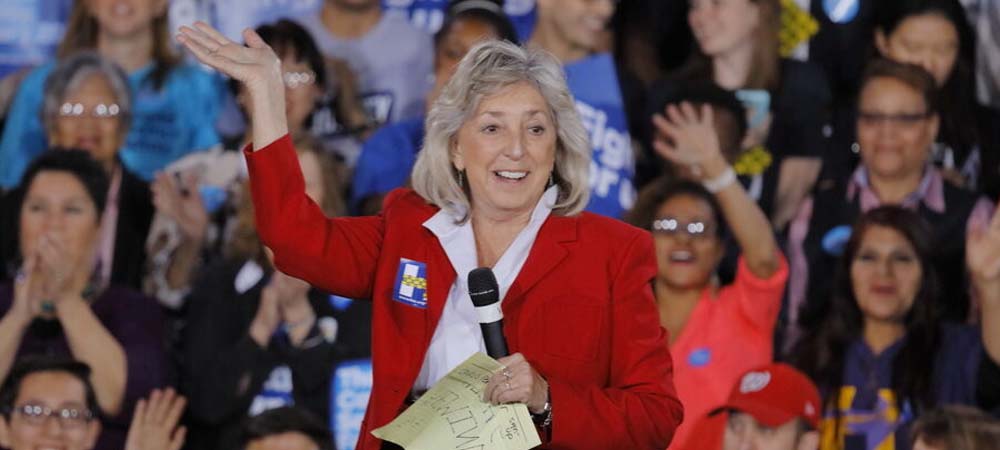
Dina Titus looks to repeal that change with the FAIR BET Act, but the best attempt to do so via the NDAA has failed. The House Rules Committee decided against debating the Act due to concerns over a negative impact on tax revenue.
What’s Next For The FAIR BET Act Repeal?
Attaching the FAIR BET Act was the best bet for advancing the bill since it’s necessary budgetary legislation, but even notable representative Tom Cole’s cosponsoring couldn’t bring success. Still, the NDAA was just the first opportunity of 2026 and won’t be the last one.
Luckily for players at legal online sportsbooks, the tax change won’t have impact until 2027 tax filings. If the FAIR BET Act finds a way to pass a repeal in 2026, bettors will never feel the impact of the change. That said, time is of the essence and more opportunities to pass the repeal are expected in the near future.
