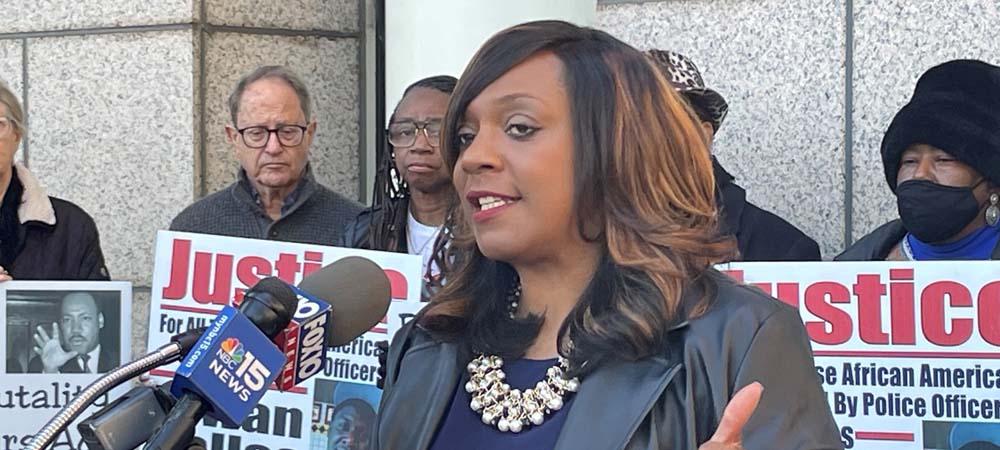
- Coleman files a bill next week that puts sports betting and expanded gambling legalization directly before Alabama voters for approval.
- Alabama remains one of five states without a lottery while residents cross state lines to gamble elsewhere.
MONTGOMERY, Ala. – Birmingham’s Democratic Senator Merika Coleman drops legislation next week letting voters weigh in on sports betting, lottery games, and broader gambling. Her proposal avoids the detailed negotiations that have killed previous attempts.
Coleman’s plan is straightforward. Alabama voters would see a yes-or-no question on their ballot via a constitutional amendment. Should it pass, the governor would form a gambling commission while legislators work out the regulatory framework. Coleman explained that getting bogged down in specifics has repeatedly prevented progress on this issue.
Previous Attempts and Current Momentum
Alabama’s attempts to bring legal sports betting have previously failed. Last year, a gaming law passed the House with 70 votes, but it was only one vote away from passing the Senate. The initiative encompassed casinos, a state lottery, sports wagering, and an agreement with the Poarch Creek Indians.
Coleman’s push breaks from what legislative leaders indicated weeks ago about keeping gaming off the agenda. In early January, Speaker Nathaniel Ledbetter and Senate leader Garlan Gudger said gambling legislation didn’t have the votes to move forward in 2026.
Read more: Alabama Legislators Haven’t Filed A 2026 Sports Betting Bill
Coleman pointed to upcoming budget shortfalls as reason to reconsider gambling now. She sees casino money as a viable remedy since federal funding cuts could result in significant gaps in programs like SNAP and Medicaid. The state will confront serious budget problems in the 2027 and 2028 fiscal years if new revenue streams aren’t identified.
Only four other states lack a state lottery alongside Alabama, which are Alaska, Hawaii, Nevada, and Utah. With sports betting now permitted in 39 states, Alabama residents often travel to neighboring states to purchase lottery tickets and place wagers. Instead of funding Alabama sportsbooks, those funds go toward educational initiatives and scholarships in other places.
Passage requires three-fifths approval in both parliamentary chambers before voters may weigh in. A comprehensive gaming program could generate between $510 million and $710 million annually, according to research commissioned by Governor Kay Ivey.
