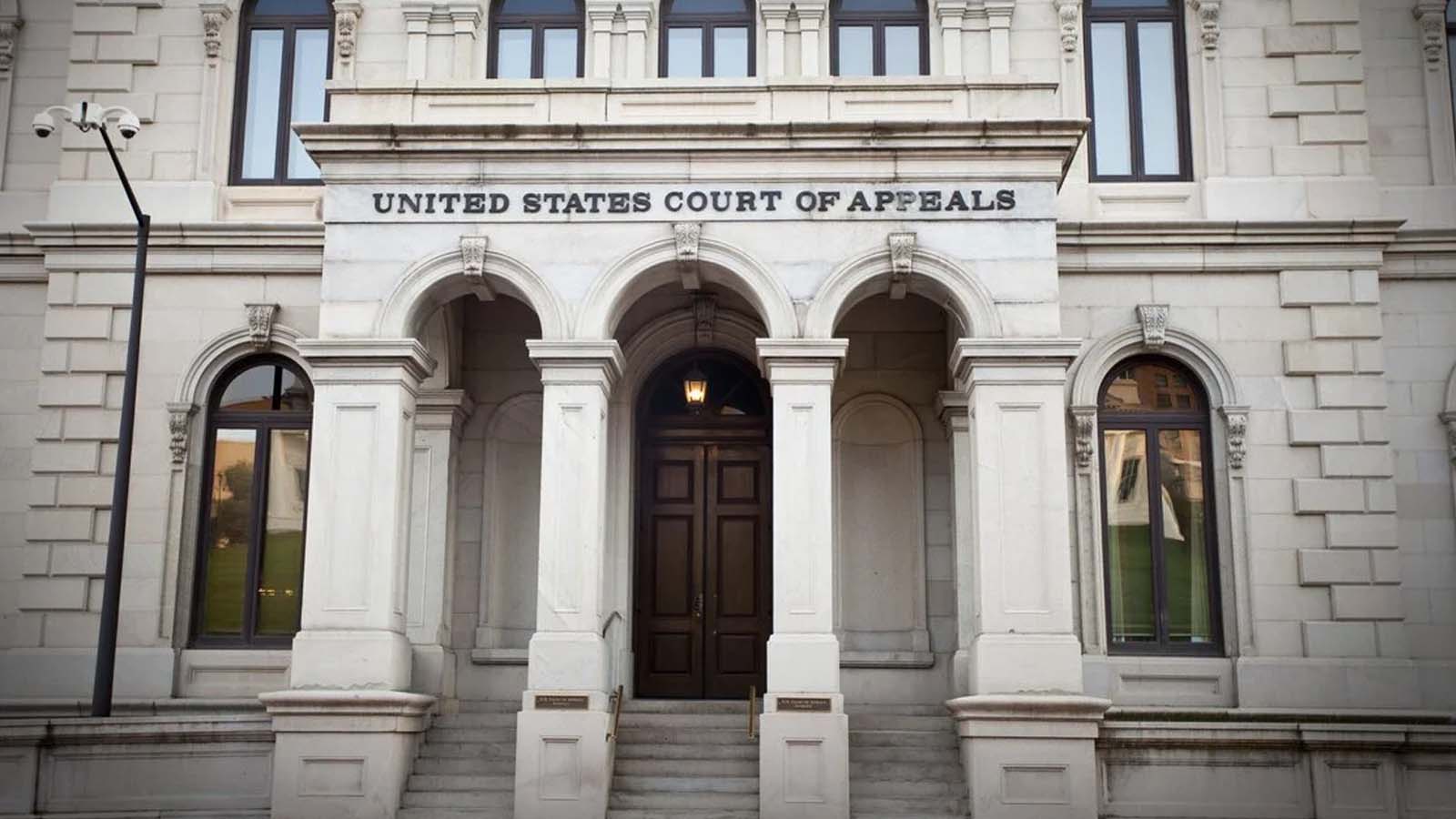
- The panel found Kalshi’s sports contracts are not swaps because their events carry no inherent financial, economic or commercial consequence.
- The Commodity Exchange Act would leave both states’ gambling laws intact even if the contracts counted as swaps, the court held.
- Kalshi lost its bid for an injunction in Ohio and gave back the one it held in Tennessee, with no order halting the contracts.
- Kalshi has until Oct. 9 to seek rehearing, and its response to New Jersey’s Supreme Court petition is due Nov. 9.
CINCINNATI – Gambling regulators in Ohio and Tennessee may move against Kalshi’s sports-event contracts, the U.S. Court of Appeals for the Sixth Circuit held Sept. 25, because the contracts fall outside the federal definition of a swap and state authority would survive even if they did not.
Why The Panel Said The Contracts Are Not Swaps
Kalshi, one of the prediction market apps listing sports outcomes, argued that swaps traded on a federally designated exchange answer only to the Commodity Futures Trading Commission (CFTC) under the Commodity Exchange Act, which would shut out state gambling regulators.
One statutory definition of a swap covers contracts that pay out on an event “associated with a potential financial, economic, or commercial consequence.” Judge Julia Smith Gibbons, whose opinion Judges Eric Clay and Rachel Bloomekatz joined in full, read that phrase to require an event inherently tied to such a consequence, such as a change in interest rates.
Who is named Super Bowl MVP would likely carry no financial consequence of its own, the panel wrote, and Kalshi conceded at oral argument that a layperson may find it hard to see the economic consequence of contracts on corner kicks or an announcer’s word choice. The opinion also cites earlier litigation in which Kalshi acknowledged that its sports contracts have “no inherent economic significance.”
The panel said Kalshi’s reading would turn every sports wager placed at a casino or sportsbook into a swap that must trade on a federal exchange, exposing bettors to potential criminal liability.
Kalshi won two threshold points, that it can sue to block state enforcement and that a game’s result counts as an “event,” but lost on the financial-consequence requirement.
The CFTC backed Kalshi in the Ohio appeal with a May 12 brief asserting exclusive jurisdiction. The panel instead cited the agency’s own June 2024 Federal Register notice saying sports-event contracts generally lack an underlying cash market to supply price-forming information.
Preemption Fails Even If The Contracts Were Swaps
Assuming the contracts were swaps, the panel held that the clause giving the CFTC exclusive jurisdiction does not block state gambling laws. It read the clause as dividing authority among regulators over the licensing and operation of exchanges, not displacing state laws that only incidentally burden them.
The panel also rejected Kalshi’s argument that Ohio’s in-state wagering rule made compliance impossible. Other companies, including Sporttrade, use geofencing to confine markets to one state, the opinion says. “Expensive does not mean impossible,” the panel wrote, quoting an earlier Sixth Circuit motions panel.
What The Ruling Means For Kalshi Users In Ohio And Tennessee
The opinion does not order Kalshi to stop offering the contracts. It states that Kalshi “does not currently comply with either State’s gaming laws,” which require bettors to be 21 and wagers to be placed inside the state. Both states license sportsbooks for legal sports betting under their own laws.
In Tennessee, the Sports Wagering Council sent Kalshi a cease-and-desist letter early this year, and a federal judge in Nashville blocked the state from enforcing its laws. The vacatur takes effect when the appeals court issues its mandate, ordinarily seven days after the 14-day rehearing window closes Oct. 9. Absent a rehearing request, the mandate would issue Oct. 16.
Tennessee Attorney General Jonathan Skrmetti, a defendant in the case, called the decision “a great win for Tennessee.”
In Ohio, the courts denied Kalshi’s request for an injunction. The Ohio Casino Control Commission in April sought a $5 million fine against Kalshi for unlicensed sports gaming, a penalty the Sixth Circuit’s opinion does not address.
Circuit Split Deepens Ahead Of Supreme Court Review
Kalshi still holds an April 6 win from the Third Circuit, which split 2-1 in the company’s favor against New Jersey. The Ninth Circuit went the other way Aug. 28 and, in a separate case, narrowed Kalshi’s preemption defense on Sept. 16. A Maryland appeal at the Fourth Circuit remained undecided when the Sixth Circuit ruled, the opinion says.
Kalshi spokesperson Dani Lever said the company disagrees with the Sixth Circuit and does not believe the decision will survive further review, adding that “markets can’t operate when the rules change at every state line.”
New Jersey asked the Supreme Court to review the Third Circuit ruling in Flaherty v. KalshiEX, No. 26-299, filed Sept. 2. Kalshi’s response was due Oct. 8, but the court granted an extension to Nov. 9 on Sept. 22, according to the docket.
