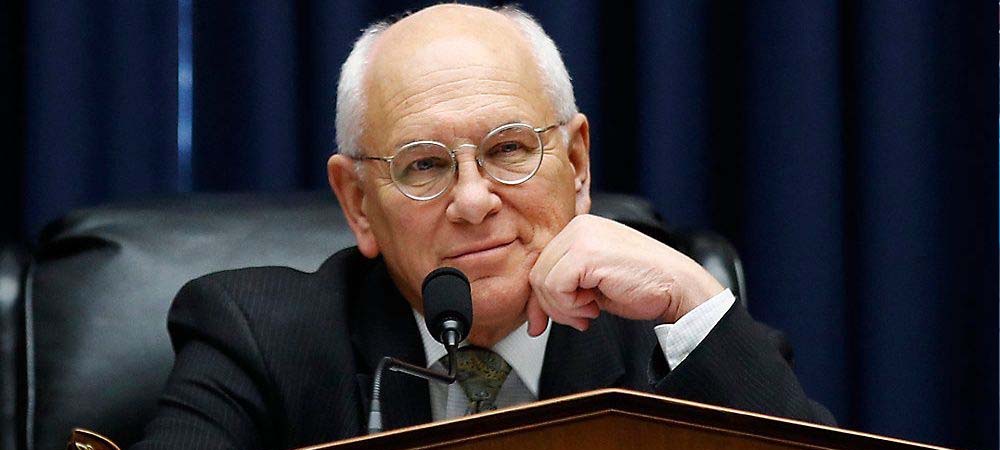
- Rep. Paul Tonko demands major sports leagues support his SAFE Bet Act or accept responsibility for future gambling scandals.
- The push follows recent FBI indictments of NBA personnel allegedly involved in betting schemes tied to organized crime.
- Tonko’s bill would establish federal standards including advertising bans, deposit limits and AI restrictions across all US sports betting states.
WASHINGTON – Rep. Paul Tonko delivered a blunt ultimatum to major professional sports leagues Thursday: back federal gambling regulations or accept blame for future betting scandals.
The New York Democrat sent letters to commissioners of the NBA, WNBA, NFL, NHL, MLB, MLS and NWSL urging them to support his SAFE Bet Act.
The legislation, stalled in Congress since its March reintroduction, seeks to impose nationwide standards on sports wagering operations.
Leagues Accused of Fueling Crisis
Tonko’s letters accused leagues of creating a public health emergency by integrating their competitions with what he described as a rapidly expanding, barely regulated gambling marketplace.
He cited growing rates of bankruptcy, family breakdowns, and death associated with gambling losses, as well as an increase in sports betting addiction among young men, including children.
The congressman claimed that by normalizing gambling for younger audiences, selling credibility to gambling operators, and integrating betting content into broadcasts, leagues have compromised their own integrity claims.
Concerns regarding gambling’s influence on professional sports have increased as legal sports betting has grown.
Recent Scandals Prompt Action
The letters follow FBI indictments last week alleging prop-bet manipulation and a rigged poker ring involving Trail Blazers coach Chauncey Billups, Heat guard Terry Rozier and former NBA assistant coach Damon Jones.
Proposed Federal Oversight
The SAFE Bet Act would prohibit sportsbook advertising during live games, ban bonus bet promotions and cap customer deposits at five per 24-hour period.
The bill also restricts artificial intelligence use, preventing operators from tracking gambling habits or creating personalized promotions.
US sports betting states currently operate under inconsistent regulations. Tonko argues that the state-based approach has failed to protect both competitive integrity and public health. The American Gaming Association calls his proposed federal standards government overreach.
