- Missouri officials are reviewing whether to adjust certain college betting markets shortly after online wagering went live.
- The review is tied to a recent federal case that has prompted broader questions about college basketball oversight.
- Betting operators maintain that current rules have aided in spotting unusual betting behavior.
JEFFERSON CITY, Mo. — Just two months after Missouri launched online sports betting, state regulators are now considering whether to eliminate certain college sports betting markets following a nationwide point-shaving scandal that has rocked college basketball.
In response to NCAA President Charlie Baker’s formal request to outlaw individual player prop bets and first-half under spreads for collegiate sports, the Missouri Gaming Commission started taking public opinions on Friday.
The request was made the day after an indictment accusing over 20 people of participating in a plot to rig over 29 NCAA Division I basketball games was released by federal authorities.
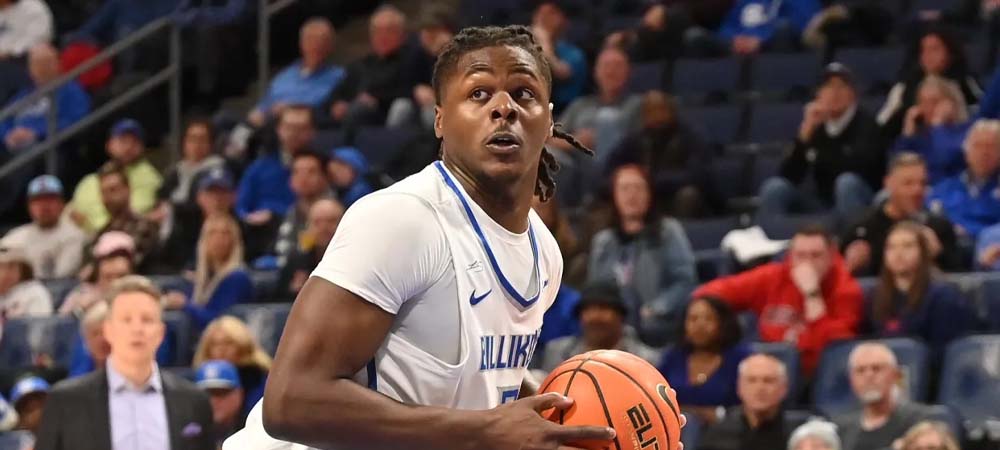
The plan, according to the prosecution, featured 39 players who were paid between $10,000 and $30,000 to influence games across 17 schools. According to court documents, one of them, Bradley Ezewiro of Saint Louis University, is charged with purposefully underperforming in a 2023–24 game against Duquesne in order for his team to miss the first-half spread, a result linked to roughly $242,000 in wagers.
Current Regulations and Proposed Changes
Missouri’s legal sports betting market currently prohibits player prop bets on athletes competing for in-state colleges or their opponents, but allows such wagers on out-of-state matchups. Considering that student-athletes are more accessible and financially susceptible than professional players, Baker’s letter contends that all collegiate player props provide chances for manipulation.
Additionally, according to data cited by the NCAA, approximately 36% of Division I men’s basketball players have received abusive communications from bettors. Over 3,000 abusive social media posts targeting student-athletes were found by the NCAA during last year’s March Madness tournament alone; ten of these incidents were eventually reported to law enforcement.
If the commission grants Baker’s request, Missouri sportsbooks would join those in Ohio, Maryland, Louisiana, and Vermont in outright prohibiting college player props.
The Sports Betting Alliance, which represents companies including DraftKings, FanDuel, and BetMGM, has opposed the proposed limits. They argue that the discovery of the odd behavior related to the federal case was made possible by college basketball betting sites.
Later this week, the commission is anticipated to make a ruling.
