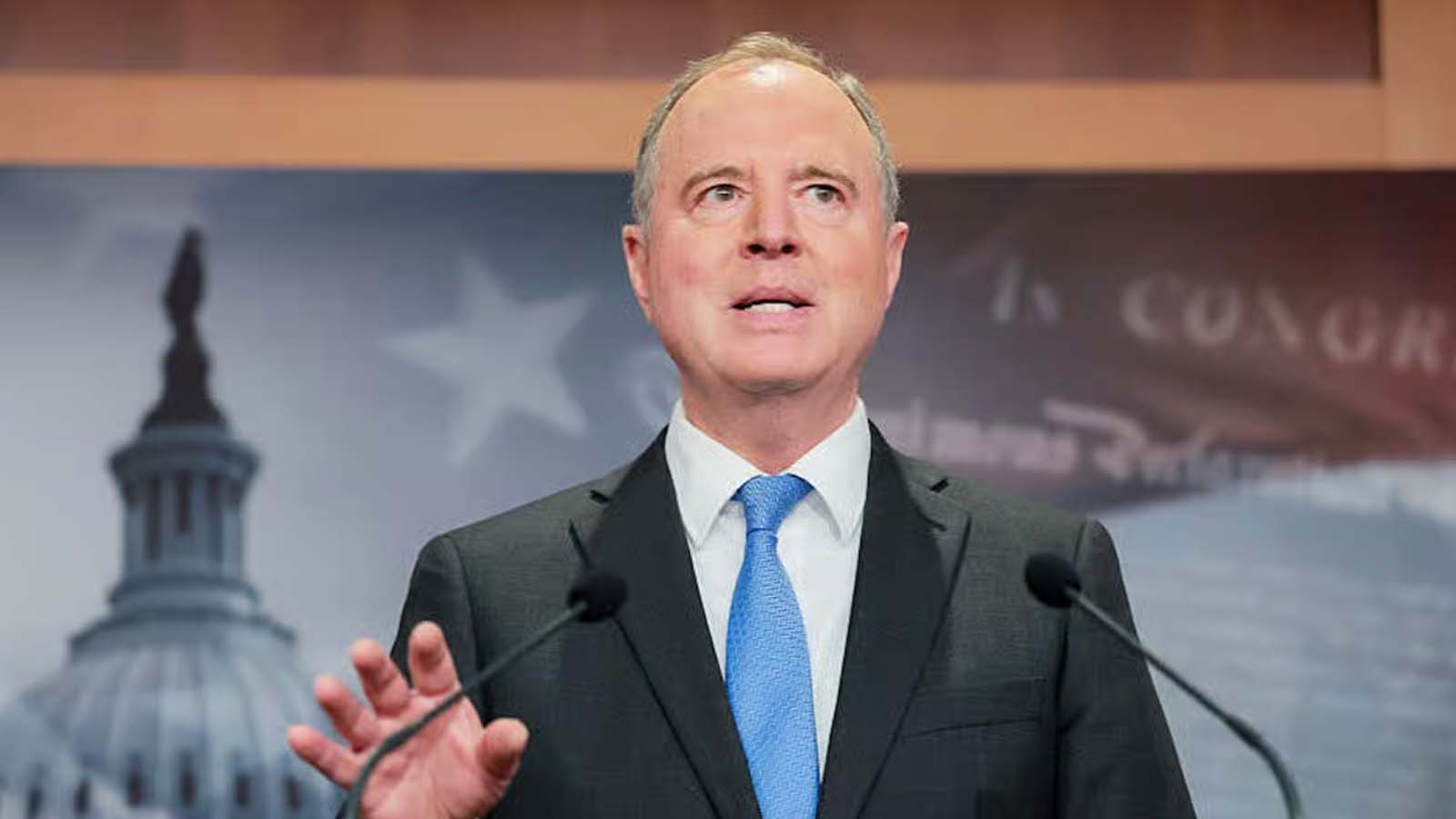
- The DEATH BETS Act, a ban on war, assassination, terrorism and death contracts, won Senate approval on a Nov. 19 voice vote.
- Section 3 leaves contracts involving “gaming” untouched, so the bill neither bans nor shields sports contracts.
- The bill expires unless the House acts by Jan. 3, 2027, and the House version has not moved since April 3.
- Kalshi’s response to New Jersey’s Supreme Court petition on sports contracts is due Dec. 7, with no conference date listed.
WASHINGTON – Senators approved the DEATH BETS Act, S. 4035, on a voice vote Nov. 19, backing a measure to keep event contracts on war, assassination, terrorism or someone’s death off federally registered exchanges. Section 3 of the approved text keeps the measure from changing the legal status of contracts involving “gaming,” so sports event contracts stay where existing federal law and the courts have them.
Sen. Adam Schiff, D-Calif., filed the measure March 10, and the Senate Agriculture Committee had it until Thursday. A 6:47 p.m. entry in the Senate Daily Press Gallery’s floor log credits Schiff with passage, together with an amendment carrying his name and that of Sen. John Curtis, R-Utah. Voice votes keep no individual tally, so the record does not show how any senator voted on either question.
The Senate-passed text writes a new subsection (d) into Section 5c of the Commodity Exchange Act. A registered entity, the law’s term covering exchanges and clearinghouses, could neither list nor clear an event contract that “expressly references” war, terrorism, assassination or U.S. Armed Forces military operations.
A second ban covers any contract whose event, when listed, is “reasonably expected to resolve principally based on a death of an individual.” By regulation, the commission may extend the first list to “similar activity” it judges necessary and appropriate to the bill’s purposes.
Gaming Stays Untouched
Three of the banned subjects already sit in existing law, which leaves them to the commission’s judgment. Under Section 5c(c)(5)(C)(i) of the Commodity Exchange Act, the commission may determine an event contract is “contrary to the public interest” when it involves war, assassination, terrorism, “gaming,” conduct that breaks federal or state law, or comparable activity the commission identifies by rule.
Section 3 of the bill says nothing in it affects the permissibility of contracts involving any activity on that list other than those in the new subsection, so unlawful activity and “gaming” stay as federal law has them.
The text mentions no sport, sportsbook or lawsuit, so it adds nothing to the dispute between states and exchanges over legal sports betting. Judges are still deciding whether exchange-listed sports contracts are swaps that federal law shields from state gambling rules.
The Sixth Circuit ruling in September held Kalshi’s sports contracts are not swaps, while the Third Circuit found for Kalshi against New Jersey. New Jersey asked the Supreme Court on Sept. 2 to review that decision in Flaherty v. KalshiEX, No. 26-299. The docket shows Kalshi’s response, extended twice, is now due Dec. 7, with no brief in opposition filed and no conference date listed.
The sports question has its own vehicle. The Prediction Markets Are Gambling Act, which Schiff and Curtis announced March 23, would keep contracts that work like sports bets or casino games off registered exchanges, and it was not attached to S. 4035.
House Text Differs
The House version, H.R. 7942 by Rep. Mike Levin, D-Calif., dates to March 16. Its last action on Congress.gov is an April 3 referral to an Agriculture Committee subcommittee. Its language is the Senate bill’s original wording, which swept in every contract that “involves, relates to, or references” the listed subjects and carried no Section 3.
What senators approved is narrower on two counts and broader on one. It requires an express reference, confines the death ban to events expected to turn principally on a death, and names U.S. Armed Forces military operations, which the House text does not. Passing H.R. 7942 as introduced would therefore not put the Senate’s version before the president. The House would have to pass S. 4035 unchanged, or the Senate would have to vote again, by Jan. 3, 2027, when the 119th Congress closes and the bill lapses.
